Purchasing is the most critical part of our operations, and we take pride in being the masters of this trait. We'll make the purchase of goods on behalf of our clients from auction of commoditites as well as from other traders. We make sure that the items purchased are of top quality and as per the demand and liking of the client.
The items purchased can be processed on the primary level before packaging and dispatch. We have the facility to clean and grade pulses, grains and whole-spices. Our sister concern Rajeshwari Industires has a unit to polish and cut Kota Stone; processing is done as per the requirements of the client.
We provide warehousing and stocking option to our clients for a limited amount of time. Clients can stock their goods at our facilities depending upon space and quantity. In case, storage is not possible at our godowns, we can arrange for storage at third party warehouses and cold storages.
Late Shri Kastoorchand Ji Bafna migrated to Ramganj Mandi in the year of 1959, establishing the firm AGARCHAND POONAMCHAND, and started the business as a Grain and Seeds Merchant and Commission Agent.
Kastoorchand Ji's sons - Mr. Kaushal Bafna and Mr. Yashwant Bafna took the reins of the business in their hands.
With the installation of a cleaning plant comprising of two cleaners and graders, the firm took a significant step into the direction of provding complete service to its clients - Purchasing, Cleaning/Grading and Packaging.
Under the operational capacity of Mr. Yashwant Bafna, the firm moved its cleaning and grading operations to a new facility constructed in KUMS Yard, Ramganj Mandi. This facility has cleaning and grading output of 32 Bags per hour and a warehosing capacity of 300 Metric Tonnes.
Under the leadership of Mr. Kaushal Bafna, the sister firm RAJESHWARI INDUSTRIES, ventured into Kota Stone Bulk Supply Business, setting up a plant consisting of two Kota Stone Spliting Machines and three Table Polish machines.
Sighting the growing demand of accurately calibrated Kota Stone, a new cutting edge calibrator and three head polisher was installed enabling the firm to supply, stone precisioned to milimeters, to the clients.
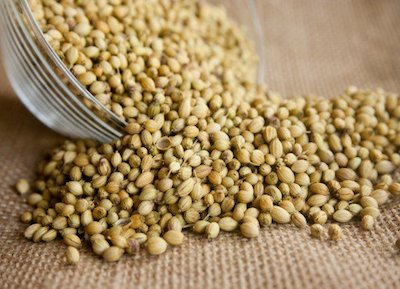
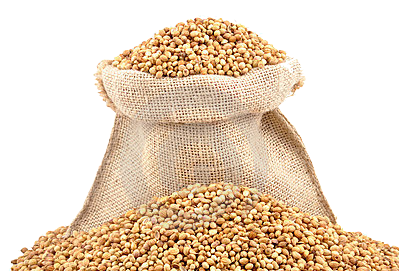
Commonly knowns as Dhaniya
Coriander or Cilantro is a herb plant which is soft in nature and grows to a height of about 50 cm. All parts of the plant are edible, but the fresh green leaves and the seeds are most popular, and are traditionally used in cooking. The leaves can be used for dressing purposes, and the seed - powdered or whole - is used as a spice to add a refreshing and lemony flavour to the dish.
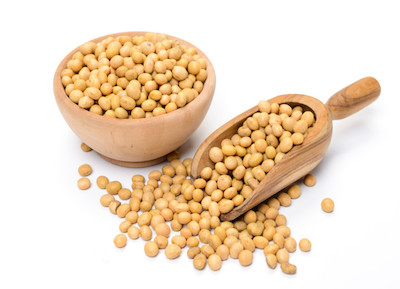
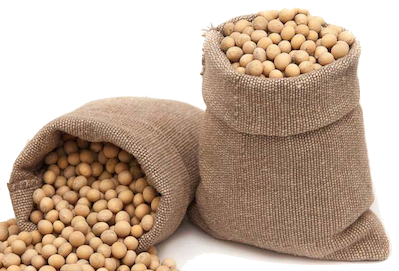
Commonly knowns as Soyabean
Soybean plant is widely grown for its edible bean which has numerous uses. The bean is a rich source of protein and is a major ingredient in many packaged meals and protein supplements. Soya chunks made from the beans are used as a substitute for a variety of meat and dairy products. The oil extracted from soybeans is utilized in cooking as well as in industries. It is also a significant source of cheap animal feeds.
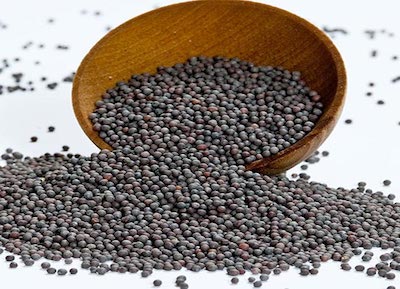
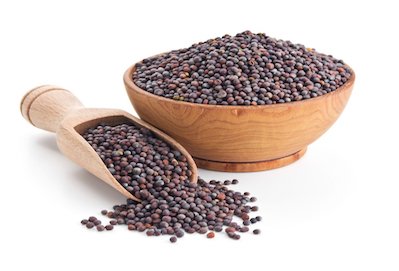
Commonly knowns as Sarson
Mustared Seeds are small round yellowish to black colour seeds of mustard plants. These seeds act as an important ingredient in any Indian Kitchen. The seeds are fried until they pop in the beginning of many food preparations, and the oil extracted from these seeds is extensively used in the Indian Sub-Continent. The green leaves of the plant are also used to make a Sarson Ka Saag, a popular dish in winters. The oil and the seeds are also used extensively in pickle preparations.
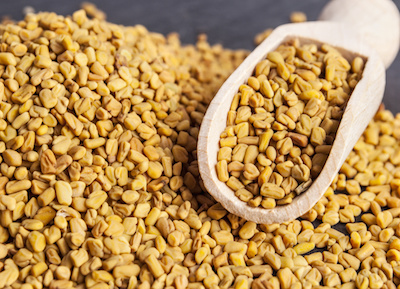
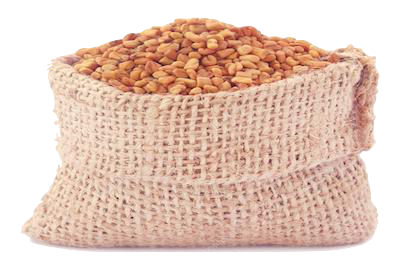
Commonly known as Methidana
Fenugreek is another plant whose leaves as well as the seeds are a common ingredient in Indian Kitchens. The leaves of the plant can be used as a herb in dry state and as a vegetable in fresh state. The cuboid shaped yellow to amber coloured seeds are commonly encountered in Indian Cuisine, both in whole and powdered form. The most common of such preparations are pickles, dal and mixed spices such as Sambhar Masala.
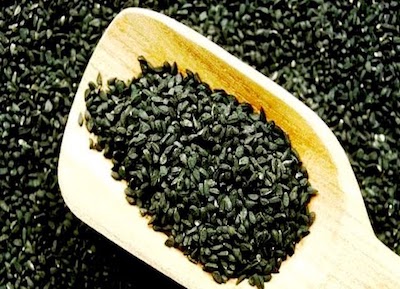
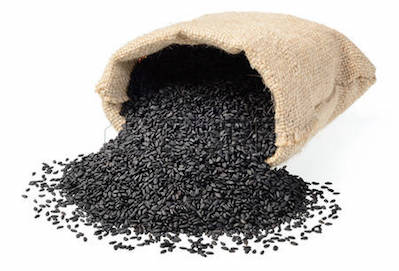
Commonly known as Kalonji
Black Seed or Nigella are the seeds of the plant commonly known as Nigella Sativa; the plant grows to a height of 20-30 cm, and the fruit of the plant contains numerous black seeds that are used as a spice in Indian and Middle Eastern Cuisines. The seeds have a pungent bitter smell and a taste that is a combination of onions, black pepper and oregano. The dry-roasted seeds flavour curries, vegetables and pulses, and in some cultures also used to flavour bread products, such as Naan Bread.
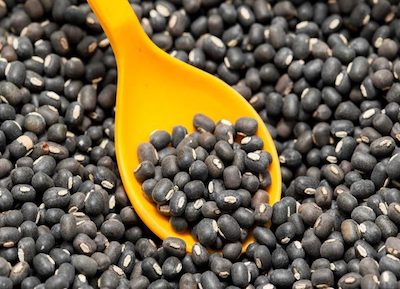
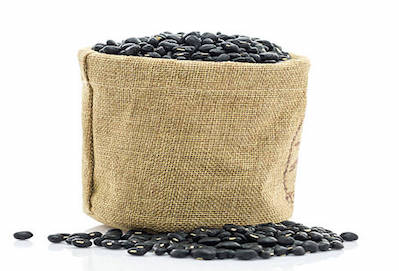
Commonly known as Urad
Black Gram is one of the most prized pulses variety cultivated in India, and has a pan-India popularity and usage. The whole bean is called Black Lentil and the split bean is referred to as White Lentil. Punjab’s famous Daal Makhani is cooked with these beans, and the dal made from split beans is the dal of the popular Rajasthani dish Dal Bati. The beans are also used extensively in Southern parts of the country, in the preparations of batter for idli-dosa and vada dough.
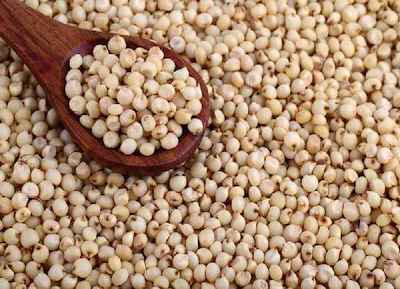
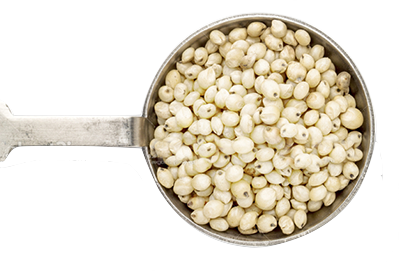
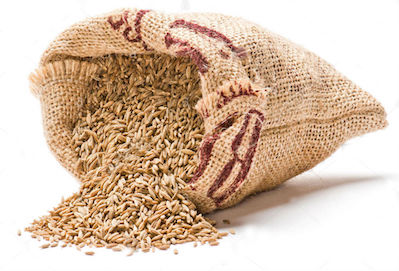
Commonly knowns as Jowar
Jowar is one of the grains cultivated in Indian Sub-Continent and is the fifth-most important cereal crop grown in the world. The grain is heat tolerant and that makes it an important component of the staples of rural people living in arid areas. The flour of these grains is used to make Indian Bread, which is liked for its sweet taste. The parts of the plant are also used as animal fodder, and the grain in itself is widely used in the preparations of alcoholic beverages, such as beer.
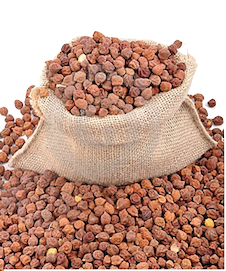
Commonly knowns as Chana
Bengal Gram is a type of a legume, which is high in protein. The plant grows to a height of about 20-50 cm and has feathery leaves on the sides of the stem. Due to its high protein content, Bengal Gram is a popular ingredient in salads. It can also be ground to a flour called Besan, which is used to make deep fried dishes, such as pakoras. They are also commonly referred to as Desi Chana, and in split state as Chana Dal, a popular variety of pulses in India.
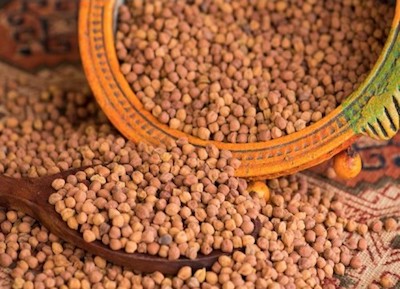
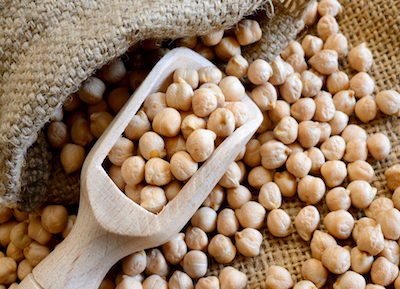
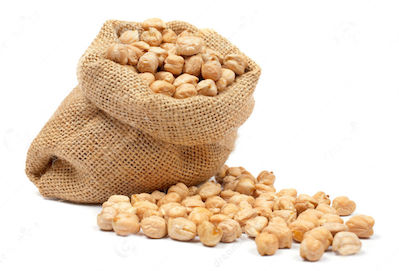
Commonly knowns as Kabuli Chana
ChickPea is another rich protein variety of legume, which is larger in size and paler in colour, in comparison to Bengal Gram. This variety was thought to be originated from Kabul, and thus got its local name, Kabuli Chana. It is extensively used both in Indian and Arabic Cuisines; Chana Masala and Punjabi Chole are two of the most popular Indian dishes made from Chickpea, along with the globally popular Arabic combination of deep fried Falafel balls and Hummus dip.
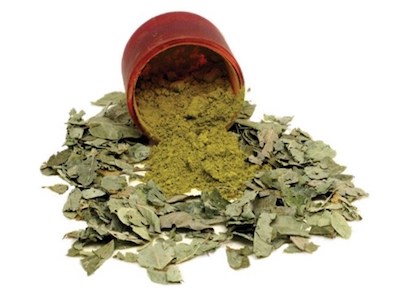
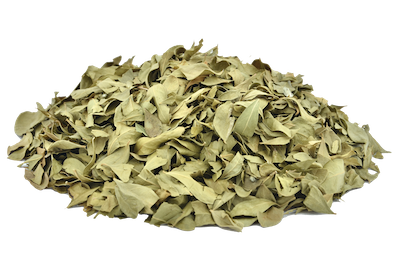
Commonly knowns as Mehndi Patta
Heena Leaves are used to make the most popular dye that is being used in the Indian Sub-Continent. The dried leaves are powdered and mixed with water to make a paste, that is used to dye hairs, and to create body arts - usually on palms and feet. The body art carries an important significance in traditional Indian Festivals of Diwali, Eid, Karva Chauth and matrimonial ceremonies. The dye made out of these leaves is also used to dye fabrics such as wool, silk and leather, since antiquity.
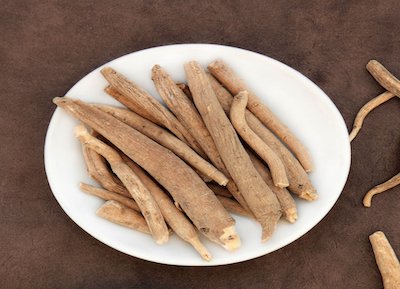
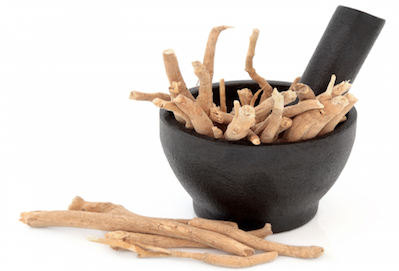
Commonly known as Ashwagandha
Indian Ginseng or Ashwagandha is a herb that contains ayurvedic medicinal properties. The shrub grows to height of about 35-75 cm, and is mostly cultivated in the drier parts of the country, such as Rajasthan. The long, brown, tuberous roots of the plant are its most useful component, and are being used for medical purposes since ancient times. The powder of these roots is used to make a paste, and is applied on burns and wounds. According to several studies, its consumption can help in lowering Blood Sugar levels.
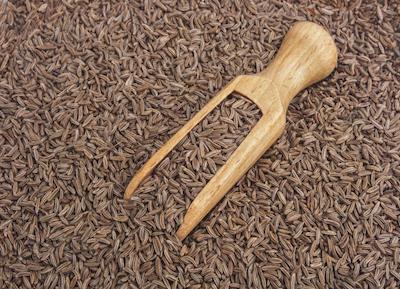
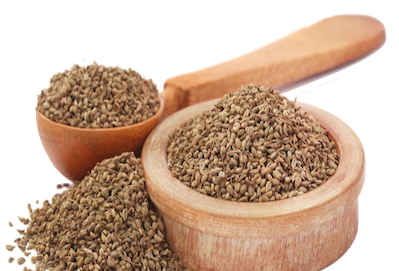
Commonly known as Ajwain
Carom is a herb that originated in India, and both the leaves and the seeds of the plant are consumed by humans. The cultivation in India is primarily centred in Rajasthan, with more than half of the national output every year. The seeds have a resemblance to Cumin Seeds, and have a bitter and pungent taste, similar to that of anise and oregano. They are commonly used in Indian Kitchens as spice to develop a subtle and complex aroma and flavour in the dish. Ajwain is the most common and popular home medicine for the treatment of stomach disorder.
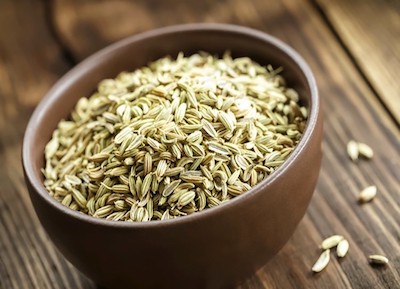
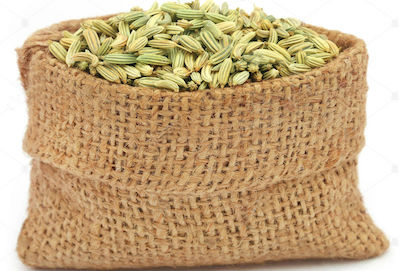
Commonly known as Saunf
Fennel is a highly aromatic and flavourful herb that has many culinary and medical uses. The dried seed of the plant is an aromatic spice that is brown or green in colour when fresh, and starts to turn gray when aging. Due to its fresh aroma, the seed is used to add flavour to many gujarati dishes and beverages, such as hot tea and iced tea. It is also used a flavouring component in natural toothpastes. The most common usage of fennel seeds is as mukhwas, an after-meal digestive and breath freshener.
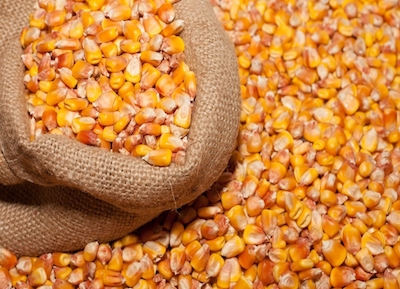
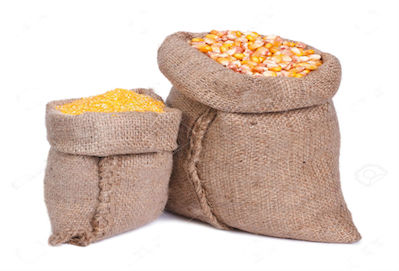
Commonly known as Makka
Maize or Corn is a grain predominantly grown in Northern and Central America. It has become quite popular, owing to its wide spectrum of uses and its global production surpasses that of wheat and rice. Corn kernels can be consumed by boiling and adding them to salads or cooking them as vegetables. Two of the quite popular uses of maize are in corn starch production and popcorn. In India, the kernels are ground to flour which is used to make chapattis, and also the whole cob is cooked on a tandoor or an open flame, and the roasted kernels are then consumed.
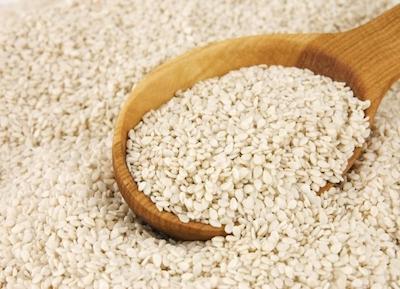
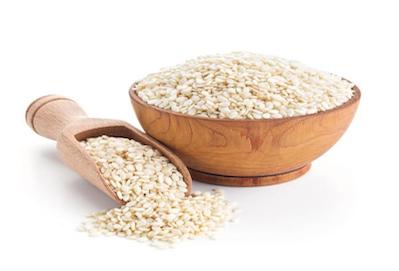
Commonly known as Tilli
Sesame is a flowering plant that grows to around 50-100 cm and is majorly cultivated for its edible seeds. The seed in India is light coloured. Its is one of the oldest oilseed crops known, domesticated well over 3000 years ago, and has the highest oil content amongst all seeds. Apart from oil, owing to its rich and nutty flavour it is a common ingredient in cuisines all over the world. It is a high value cash crop and its oil is widely used in Japanese and Chinese kitchens. The most visible use of the seeds is in sprinkling over buns and breads.
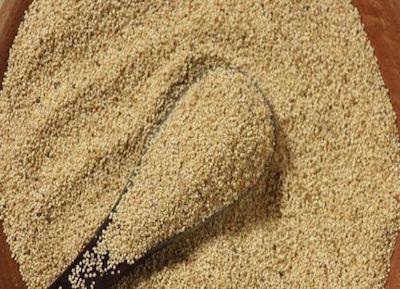
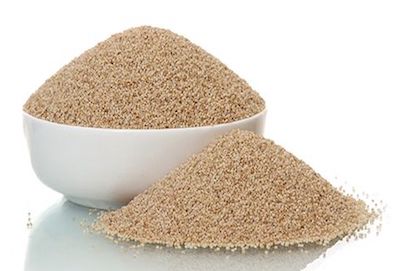
Commonly known as Posta
Poppy Seeds or Khas Khas are the oilseeds obtained from the poppy. The indian variety of seeds is white in colour is a obtained from a poppy plant that is the source of opium drug. The drug contains high amounts of morphine and is used as recreational drug since ancient times. Opium is one of the most trafficked drug, and due to this reason, state government regulates the cultivation of poppy. The roasted seeds are used to add thickness, texture and extra flavouring to the recipe. The seeds are also used in making sweets, such as ladoo and Badam Halwa.
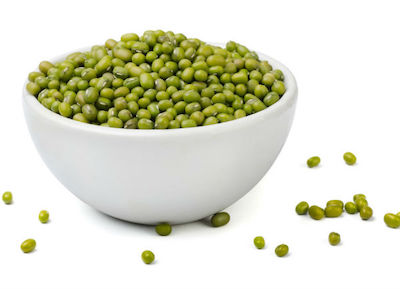
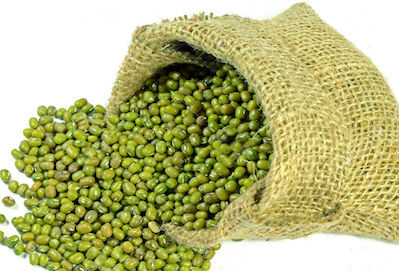
Commonly known as Moong
Green Gram is a legume mainly cultivated in Indian Sub-Continent, Korea and China. The bean is used in both savory and sweet dishes. The beans stripped of their outer coats are known as moong dal, a variety of pulse in India, which is used in making dal, pakoras, and halwa. The whole beans can be left in water of some time to let them germinate, turning them into sprouts, which is considered as a healthy food. Mung beans without skin are used to make pancakes and pongal in southern parts of India.
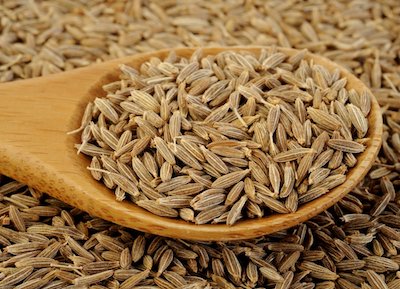
Commonly known as Jeera
Cumin is a flowering plant that grows to height of 30-50 cm tall and is harvested by hand. India is the largest producer and consumer of cumin seeds. The seeds of the plant, owing to their distinctive flavour and aroma, are one of the most common spice used in India, both in whole and powdered form. It adds an earthly and warm feeling to the food and this is what makes it almost indispensable in certain soups and stews. It is also a key ingredient of some mixed spices, such as garam masala.